.png?tr=w-500)
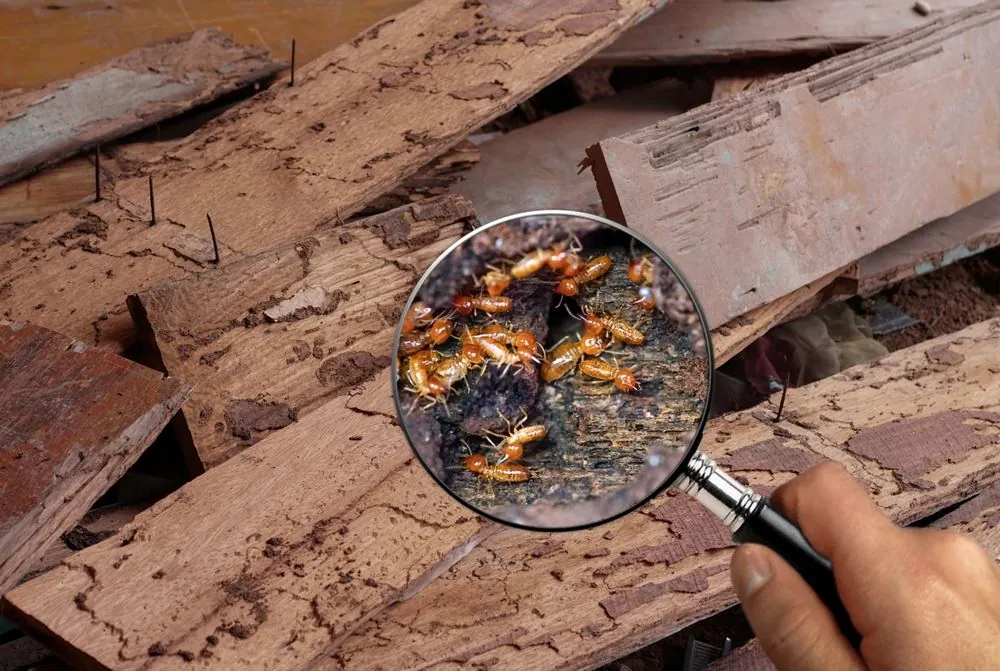
Termites can cause severe damage to your home, often going unnoticed until it's too late. Recognizing the signs of termite damage early can save you thousands in repairs. In this article, we'll explore how to identify these signs, what to look for during inspections, and when to seek professional help from Termite Control Arizona.
Understanding Termites
Termites are wood-destroying insects that can be found throughout Arizona. They thrive in warm climates and can cause significant structural damage to homes if left unchecked. There are two primary types of termites that affect homes: subterranean and drywood termites. Understanding their behavior is crucial for identifying potential damage.
Common Signs of Termite Damage
Identifying termite damage early is essential for effective treatment. Here are some common signs to watch for:
- Swarmers: Winged termites, known as swarmers, are often the first sign of a termite infestation. They typically emerge in the spring.
- Frass: This is termite droppings, which resemble small pellets. Finding frass near wooden structures can indicate a termite presence.
- Hollow Sounding Wood: If you tap on wooden structures and hear a hollow sound, it may be a sign that termites have eaten away at the wood.
- Damaged Wood: Look for wood that appears to be blistered, sagging, or has visible holes. This can indicate serious damage.
- Mud Tubes: Subterranean termites build mud tubes to travel between their nests and food sources. These tubes can often be found on the exterior of your home.
Inspecting Your Home for Termites
Regular inspections are vital in preventing termite damage. Here's how to conduct a thorough inspection:
- Check the Foundation: Inspect your home's foundation for mud tubes or signs of frass.
- Examine Wooden Structures: Look closely at wooden beams, floors, and furniture for signs of damage.
- Inspect the Attic and Basement: These areas are often neglected but can be hotspots for termite activity.
- Look for Moisture: Termites are attracted to moisture. Check for leaks or areas of standing water.
For homeowners in areas like Phoenix or Tucson, where the climate can exacerbate termite issues, regular inspections are crucial.
What to Watch Out For
When inspecting for termite damage, be aware of common mistakes that can lead to overlooking signs:
- Not checking hidden areas, such as behind drywall or under carpets.
- Ignoring signs of moisture, which can attract termites.
- Failing to conduct regular inspections, especially in older homes.
Being vigilant and proactive can help you catch termite issues before they escalate.
When to Call a Professional
If you suspect termite damage, it's essential to contact a professional. Termite Control Arizona offers expert services, including Termite Inspection services in Arizona and effective treatment options. Early intervention can prevent further damage and save you money in the long run.
Frequently Asked Questions
- How do I know if I have termites? Look for signs like mud tubes, frass, or hollow-sounding wood. Regular inspections can also help identify infestations.
- Can I treat termites myself? While there are DIY options, professional treatment is often more effective and safer for your home.
- How much does termite treatment cost? The cost varies based on the extent of the infestation and the treatment method, but it can range from a few hundred to several thousand dollars.
- How often should I inspect for termites? It's recommended to have your home inspected at least once a year, especially in areas prone to termite activity.
- What are the long-term effects of termite damage? If left untreated, termite damage can compromise the structural integrity of your home, leading to costly repairs.
By being aware of these signs and maintaining regular inspections, you can protect your home from the destructive power of termites.
Get help with Termite Control in Arizona
If you suspect termite damage in your home, don't wait. Contact us at Termite Control Arizona for professional assistance and effective solutions.
Call us today at +1 (520) 569-3195.